




Meet Lucas Taylor of Melbourne Australia
Long before he showed symptoms, 19-year-old Lucas Taylor of Melbourne, Australia, tested positive for autoantibodies that signal an increased risk for type 1 diabetes.
Read moreWe are testing the drug abatacept to see if it can delay or prevent progression of early stage T1D (stage 1) from progression to stage 2, and ultimately prevent clinical diagnosis (stage 3).

TrialNet is testing the drug abatacept to see if it can dely or prevent progression of early stage T1D (Stage 1 or Stage 2), and ultimately prevent clinical diagnosis (Stage 3). In earlier studies for people newly diagnosed (Stage 3), abatacept helped slow down disease progression. Details
In addition to the studies listed here, TrialNet is always planning future clinical research. If we don’t currently offer a study that’s right for you, you can opt into monitoring by a TrialNet research team. When the first study opens, you’ll be the first to know!
We are testing the drug abatacept to see if it can delay or prevent progression of early stage T1D (stage 1) from progression to stage 2, and ultimately prevent clinical diagnosis (stage 3).
Known by the brand Orencia®, abatacept is approved by the U.S. Food & Drug Administation (FDA) for use in several autoimmune diseases in adults and children as young as 6. Abatacept is also being studied for treatment of five other autoimmune diseases (Crohn’s, Multiple Sclerosis, Lupus, Arthritis and Psoriasis).
In an earlier TrialNet study for people newly diagnosed, those who took abatacept showed 59% higher insulin production and prolonged insulin production. Improved insulin production helps prevent complications and improve disease management, including better control of blood sugar levels.
Based on these promising results, we are now testing abatacept in people in Stage 1 T1D. Our goal is to prevent further progression and T1D diagnosis (Stage 3).
As with any medical intervention, there are risks and benefits to participating in this study. Before you decide to participate, a member of our research team will explain all potential risks and benefits and answer any questions you may have.
Those interested in the Abatacept Prevention Study must meet the following criteria:*
* Plus meet any other study criteria.
Additionally, T1D risk screening opportunities are available at a number of T1D community events in your region. Trialnet routinely participates in JDRF events, including JDRF One Walk and JDRF TypeOneNation, diabetes camps, and more. Find an screening event near you and get screened! Upcoming Events
Long before he showed symptoms, 19-year-old Lucas Taylor of Melbourne, Australia, tested positive for autoantibodies that signal an increased risk for type 1 diabetes.
Read moreSign up here to join our mailing list for the latest updates on important T1D research and events, straight to your inbox. You can also find us on Facebook @DiabetesTrialNet.
Lorem ipsum dolor sit amet, consectetur adipiscing elit. Fusce ut molestie tortor. Aliquam molestie libero id neque aliquet, vel iaculis justo fringilla. Proin male suada pretium sem vel vestibulum. Integer varius fringilla turpis, non sagittis risus luctus commodo. Morbi tortor nisl, molestie in suscipit nones TrialNet.
Read more
Long before he showed any symptoms, 19-year-old Lucas Taylor of Melbourne, Australia, tested positive for autoantibodies that signal an increased risk for type 1 diabetes. Read more
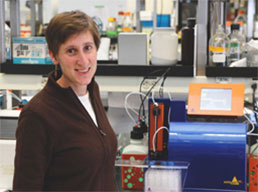
This is a sample related post. Related posts are designated via the blogger by manually selecting up to three existing blog posts in the CMS. Text is pulled from the excerpts for each post. Read more

This is a sample related post. Related posts are designated via the blogger by manually selecting up to three existing blog posts in the CMS. Text is pulled from the excerpts for each post. Read more
The National Institutes of Health (NIH) is the nation’s leading medical research agency, supporting scientific studies that turn discovery into health.Visit
NIDDK, one of the National Institutes of Health, conducts, supports, and coordinates many of the most serious diseases affecting public health. Visit
If you live in the United States, it takes 4-6 weeks to get your screening results. Outside of the US, it takes a little longer to allow for shipping. TrialNet forwards all samples from screenings and studies to specialized laboratories across the US. This way, all samples are processed in a consistent way, meeting strict requirements for scientific research. The process takes a little longer, but it's an important step to ensuring that you receive the most accurate results.
Join the ranks of 160,000 #T1DFamily members by signing up for the Pathway to Prevention Study today. Join TrialNet in the fight against type 1 diabetes! Together, we can make a difference.
Get Started